
Easy Home Furniture: Ultimate Guide to Easy Storage Wardrobes, Non-Woven Closets, and Clothing Racks
Introduction
Modern living requires smart solutions. With urban apartments getting smaller and lifestyles becoming more flexible, easy home furniture has emerged as a practical answer. Ready-to-assemble furniture, including easy storage wardrobes, corner fabric wardrobes, non-woven fabric closets, clothing racks, and shoe racks, offers convenience, affordability, and adaptability.
This guide explores the market trends, material innovations, consumer applications, and future outlook for easy home furniture. Whether you are a manufacturer, retailer, or homeowner, you’ll gain insights into how metal frames, stainless steel, PP connectors, and non-woven fabrics are shaping modern home storage solutions.
What Is Easy Home Furniture?
Easy home furniture is defined by its modular design, lightweight materials, and assembly convenience. Key features include:
-
Quick Assembly: Using PP connectors and modular components, products like garment racks and coat racks can be set up in minutes.
-
Durable Materials: Metal and stainless steel frames provide strength, while non-woven fabric wardrobes and shelves offer lightweight storage solutions.
-
Space Efficiency: Corner fabric wardrobes and stackable shoe racks optimize small bedrooms, dorms, or apartments.
-
Affordability: Flat-pack logistics reduce manufacturing and shipping costs.
-
Flexibility: Modular furniture adapts to changing storage needs.
Example: A non-woven fabric closet combined with a metal frame coat rack can organize clothes and accessories while taking up minimal space.
Market Size and Growth Trends
The global ready-to-assemble furniture market exceeded $15 billion in 2024 and is expected to grow at 5–6% CAGR through 2030 (Statista, 2024).
Key Drivers
-
Urban Living: Compact apartments create demand for easy storage wardrobes and corner fabric wardrobes.
-
E-commerce Growth: Platforms like IKEA, Wayfair, and Amazon simplify purchasing clothing racks, garment racks, and shoe racks online.
-
Affordability and Accessibility: Consumers seek non-woven fabric closets that are budget-friendly yet functional.
-
Sustainability Awareness: Recyclable PP plastic connectors and metal frames reduce environmental impact.
Materials Driving Innovation
1. Metal and Stainless Steel
-
Provide durable support for wardrobes, clothing racks, and coat racks.
-
Corrosion-resistant stainless steel is ideal for humid spaces.
-
Strong frames allow modular and foldable designs.
2. PP Connectors
-
Lightweight, durable, and 100% recyclable.
-
Facilitate tool-free assembly and disassembly.
-
Key for easy storage wardrobes and clothing racks.
3. Non-Woven Fabric
-
Used in wardrobes, shelving, and storage bins.
-
Breathable, lightweight, and cost-effective.
-
Increasingly compatible with eco-conscious living.
Combining these materials ensures durability, affordability, and sustainability, essential for modern home organization solutions.
Popular Products and Applications
Easy Storage Wardrobe
-
Ideal for bedroom storage solutions in small apartments.
-
Modular shelves with non-woven fabric help maximize vertical space.
Corner Fabric Wardrobe
-
Fits unused corners efficiently.
-
Perfect for compact living storage and dorm rooms.
Non-Woven Fabric Closet / Wardrobe
-
Lightweight, breathable, and portable.
-
Stores clothing, shoes, and accessories efficiently.
Clothing Racks & Garment Racks
-
Foldable or wheeled designs for mobility.
-
Suitable for home organization, seasonal clothing, or dorm use.
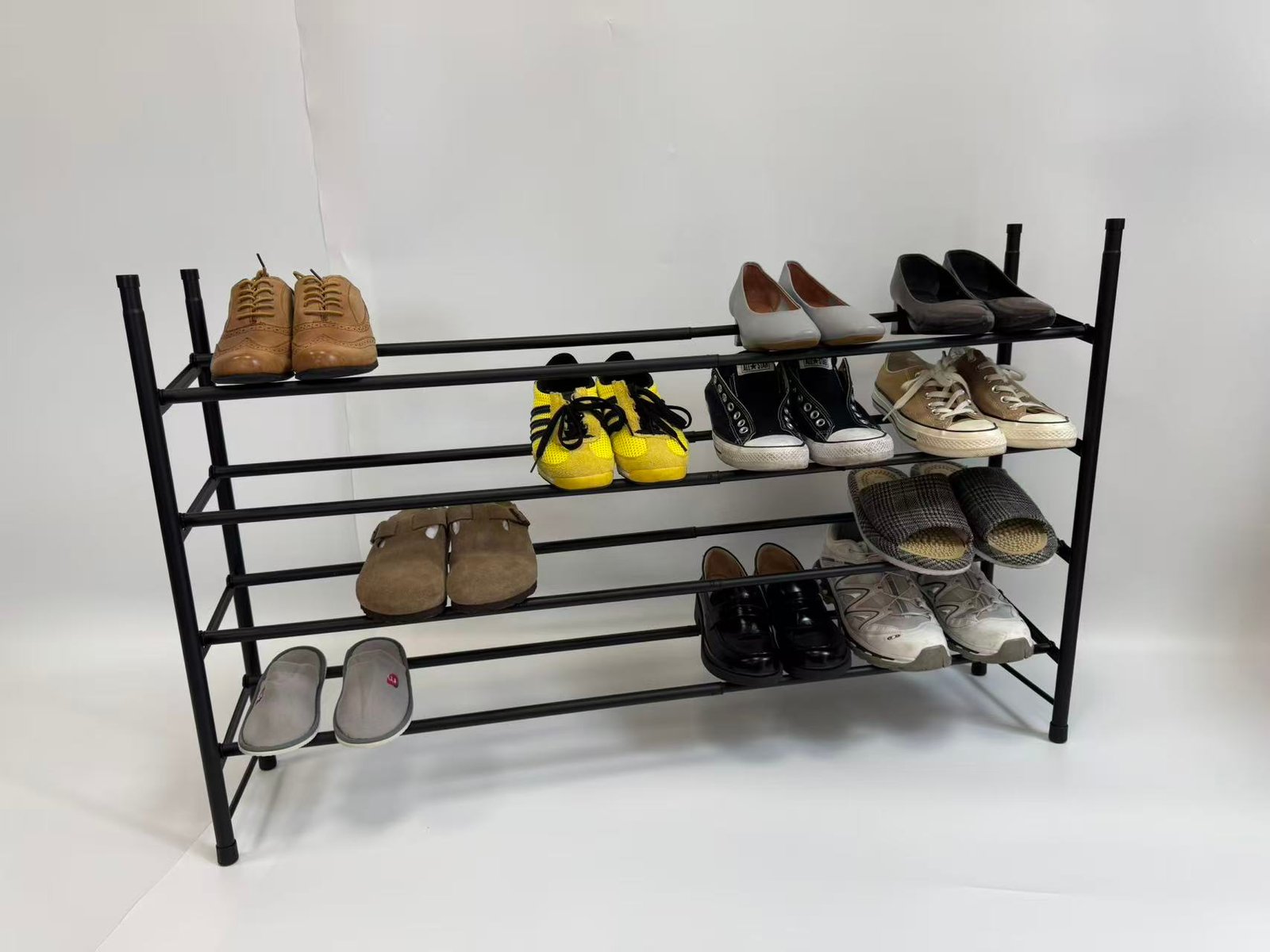
Shoe Rack
-
Stackable or modular designs save space.
-
Metal frames enhance stability; non-woven fabric shelves reduce weight.
Coat Rack
-
Freestanding or wall-mounted, often paired with non-woven storage pockets.
-
Provides flexible storage for outerwear in entryways or bedrooms.
Consumer Trends
1. Compact Living & Modular Solutions
Urban dwellers prioritize space-saving wardrobes, corner closets, and stackable shoe racks.
2. Digital Shopping & AR Visualization
AR tools let consumers preview furniture in their space, reducing returns for clothing racks, wardrobes, and coat racks.
3. Sustainability
Buyers increasingly prefer recyclable metal frames, PP connectors, and non-woven fabric closets.
4. DIY & Personalization
Modular furniture supports custom shelves, fabric covers, and adjustable racks, aligning with DIY preferences.
5. Practical Technology Integration
Retailers leverage AR, AI, and recommendation engines to help customers select the right easy storage wardrobe or non-woven fabric closet.
Evidence-Based Future Outlook
The sector is evolving incrementally, supported by verified trends:
-
Circular Programs: IKEA’s Buy-Back & Resell service extends wardrobe and closet life.
-
Rental & Subscription Models: Urban rental demand for corner fabric wardrobes and clothing racks is increasing.
-
AR & AI Tools: Improve selection and reduce return rates for non-woven fabric closets and shoe racks.
-
Material-Specific Sustainability:
-
Stainless steel: highly recyclable
-
PP: recyclable with growing recovery programs
-
Non-woven fabric: emerging recycling options
-
Practical recommendations:
-
Design furniture for easy disassembly and material sorting.
-
Pilot rentals only where urban logistics allow.
-
Use AR/AI for online furniture selection to reduce mismatches.
Competitive Landscape
-
IKEA: Global leader in flat-pack wardrobes and non-woven fabric closets.
-
Wayfair: Offers a wide selection of clothing racks, shoe racks, and coat racks.
-
Amazon: Marketplace for both global and regional RTA furniture suppliers.
-
Regional Manufacturers: Focus on modular corner fabric wardrobes, easy storage wardrobes, and clothing racks for niche markets.
Why Easy Home Furniture Matters
Easy home furniture represents flexible, sustainable, and cost-effective living. Modern urban households, students, and renters benefit from modular, portable solutions.
-
Metal frames and stainless steel components ensure longevity.
-
PP connectors and non-woven fabrics allow lightweight, eco-friendly designs.
-
Space-saving corner wardrobes, clothing racks, and shoe racks meet the demands of compact living.
Conclusion
The easy home furniture market is poised for growth. By focusing on metal, stainless steel, PP, and non-woven fabric, manufacturers and retailers can deliver durable, modular, and sustainable products.
Key takeaways:
-
Modular easy storage wardrobes, corner fabric wardrobes, and non-woven fabric closets optimize small spaces.
-
Clothing racks, garment racks, shoe racks, and coat racks provide flexible, portable storage.
-
Sustainable materials and tech integration (AR/AI) improve consumer experience.
References
-
Statista – Ready-to-Assemble Furniture Market Size, 2024–2030
-
IBISWorld – Furniture Manufacturing in the US, 2024
-
McKinsey & Company – Future of Home and Living, 2023
-
IKEA Sustainability Reports – Buy-Back & Resell Program, 2024
-
Wayfair Press Releases – AI & AR Integration, 2023


A really good blog and me back again.